
 Guide
Guide
How to Design Eye-Catching Event Posters That Drive Results
A great poster can bring people to your event fast. It can stop someone, grab attention, and make them take action. But not every poster works. Some get ignored within seconds.
If you want real results, you need a design that stands out and delivers your message clearly. This guide will help you create posters that attract, engage, and convert.
Your Poster Needs a Clear Focus
Every poster should have one main goal. Do not try to say everything at once.
Decide what matters most:
- Promote an event
- Announce a launch
- Drive ticket sales
Once you know your goal, design around it. A focused poster is easier to understand and more effective.
Headlines Should Stop People Instantly
Your headline is the first thing people notice. If it fails, your poster fails.
Keep it short and powerful. Use words that create urgency or curiosity.
Examples:
- Limited Seats Available
- One Night Only
- Join Us This Weekend
Make sure your headline is readable from a distance. Big, bold text always works better.
Use Simple and Strong Visuals
People process visuals faster than text. So your images matter a lot.
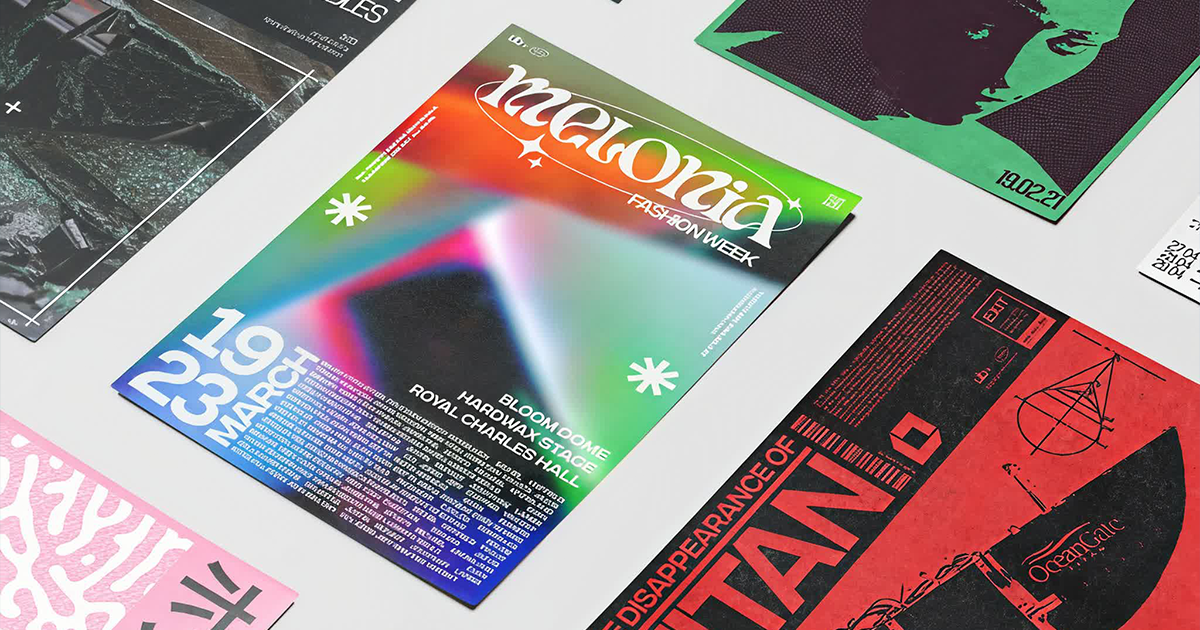
Choose high-quality images that match your event. Avoid cluttered designs. Too many elements can confuse the viewer.
A clean poster with one strong visual often performs better than a busy one.
Colour Choices Can Make or Break Your Design
Colours affect how people feel about your event.
Use colours that match your brand and event theme. Bright colours grab attention, while soft tones create a calm feel.
Make sure your text stands out from the background. Poor contrast makes your poster hard to read.
Keep Your Message Short and Clear
You do not need long paragraphs on a poster.
Focus on key details:
- Event name
- Date and time
- Location
- Contact or booking info
Use short lines and simple words. People should understand your message in seconds.
Fonts Should Be Easy to Read
Fancy fonts may look attractive, but they can hurt readability.
Stick to clean and simple fonts. Use one or two font styles only. Too many fonts make your design messy.
Make sure your text is clear even from a distance.
Add a Strong Call to Action
Tell people what to do next.
Use clear phrases like:
- Book Now
- Get Your Tickets
- Visit Today
A strong call to action increases your chances of getting results.
Size and Placement Matter
Think about where your poster will be placed.
If it is for streets or public boards, use large sizes. If it is for indoor use, medium size works well.
Always design according to the viewing distance. Bigger text is better for outdoor posters.
Consistency Builds Trust
Your poster should match your brand.
Use your brand colours, logo, and tone. This helps people recognise your business easily.
Consistency also makes your business look more professional.
Test Before You Print
Before printing, review your design.
Check for:
- Spelling errors
- Poor alignment
- Low-quality images
Ask someone else to review it as well. A fresh pair of eyes can catch mistakes you may miss.
Fast Printing Can Save Your Campaign
Sometimes, you need posters ready within hours. Delays can affect your event promotion.
This is why choosing a fast and reliable printing service matters. It helps you stay on track, even with last-minute plans.
Services like London Instant Print offer same-day printing and delivery. This gives you flexibility and peace of mind.
Combine Posters with Other Marketing Tools
Posters work best when used with other strategies.
You can:
- Share the same design on social media
- Use flyers for distribution
- Hand out business cards for follow-up
This creates a stronger marketing impact.
Conclusion
An eye-catching poster is not just about design. It is about clear communication.
Focus on your goal, keep your message simple, and use strong visuals. These small steps can make a big difference.
There is no single perfect formula. Test different styles and learn what works best for your audience. Over time, you will create posters that truly deliver results.